
Chicken Feeding for Abundance: Nutrition for Maximum Eggs
Choosing the right feed plan is important to overall flock health and egg production.
1/7/20263 min read
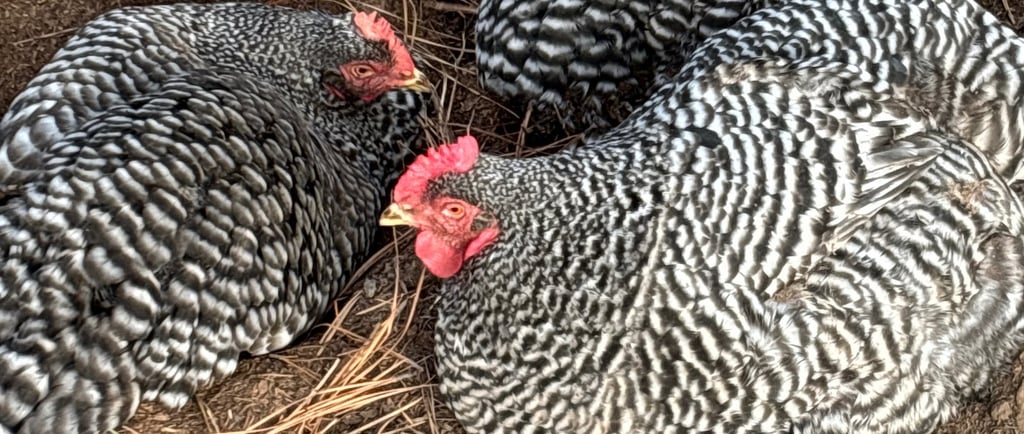
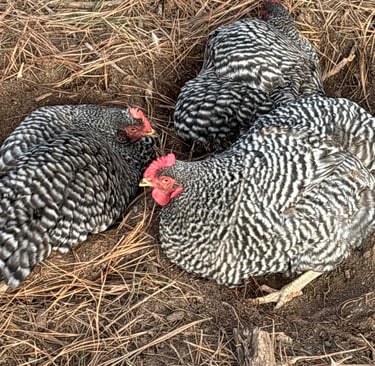
Egg production is 90% reliant on consistent and complete nutrition. Chickens are constantly scratching and pecking, or foraging, for food, but a productive hen requires a precise, supplemented diet.
Here we are going to outline the three essential components of a laying hen’s diet: Layer Feed, Calcium, and Grit.
1. The Foundation: Layer Feed (Protein & Calcium)
The primary energy source for your hens must be a high-quality feed.
The Stages of Feed
A hen's dietary needs change dramatically as she ages:
+----------------------+-----------------------+--------------------+-----------------------------------------------------+
| Stage (Age) | Feed Type | Protein % | Key Warning |
+----------------------+-----------------------+--------------------+-----------------------------------------------------+
| Chick (0 to 8 weeks) | High-Protein Starter | 20%-24% | |
+----------------------+-----------------------+--------------------+-----------------------------------------------------+
| Pullet (8 to 16 weeks)| Grower Feed | 16%-18% | CRITICAL: Do not feed layer feed during this stage, |
| | | | as the high calcium can cause kidney damage. |
+----------------------+-----------------------+--------------------+-----------------------------------------------------+
| Laying Hen (16 weeks +)| Layer Feed | 16%-18% | Must contain a high balance of vitamins and calcium |
| | | | to support egg production. |
+----------------------+-----------------------+--------------------+-----------------------------------------------------+
Export to Sheets
Even if your hens are partially range-fed, we highly recommend supplementing their diet with a high-quality Layer Feed for a complete, balanced nutritional profile.
2. Essential Supplements: Grit and Foraging
Chickens have no teeth and rely on a strong gizzard to grind their food. This requires two different types of supplements:
A. Insoluble Grit (Digestion)
Insoluble Grit (small, sharp stones) is essential for the gizzard to mechanically break down the feed.
Foraging: Providing them with time to forage outside helps them naturally collect the grit they need.
The Schedule: Here on our homestead, we do not allow our chickens to free range all day unsupervised due to a heavy population of hawks and coyotes. We allow them outside the coop for at least one hour per day (increasing this time in spring and summer). We use a nearby wooded area where they love to forage, which provides upper shelter and natural cover, in addition to our supervision.
Our Housing and Security: For details on how we structure our run to minimize predator risk, check out our guide: [Link to The Ideal Chicken Coop Design].
B. Calcium (Eggshells)
Calcium is necessary for hard, healthy eggshells. If the feed alone isn't enough, the hen will draw calcium from her bones.
Best Practice: Always offer Crushed Oyster Shells or another calcium source in a bowl separate from the main feed. Hens will instinctively eat it only when they need it.
3. The 90/10 Rule: Kitchen Scraps and Treats
Yes, we feed our chickens table scraps each day! This is a treat they look forward to, but it must not make up any more than 10% of their daily diet to ensure they eat enough balanced layer feed.
Feed This (Good Treats)
Avoid This (Taboo)
Cooked meat, oats, pasta, most vegetables
Raw beans, raw potato skins, large amounts of citrus, onions, excessive sweets
Seasonal Favorites: Warm oatmeal in the winter and frozen yogurt or watermelon in the summer.
Export to Sheets
While chickens can be very picky and will rarely eat something that is toxic, it is best to avoid the "taboo" list entirely.
4. The Most Important Nutrient: Water
The most important part of their overall diet, often overlooked, is water. Chickens rely on fresh water throughout their day, and eggs are 75% water.
Our System: We use a rubber watering tub that we empty and fill with fresh water each morning. We simply carry a half of a 5-gallon bucket to the coop. We find these bowls are easier to maintain than automatic waterers.
Cold Weather: On colder days, we will check their water often and change it out to ensure it hasn't frozen. Water intake will drop dramatically if the water is too cold or iced over, causing a complete stop in egg production.
Related Guide: For tips on keeping water liquid and managing the flock during the deepest cold, check out our guide: [Link to Winter Care Post].
The key to abundance is a solid, balanced schedule that provides your chickens with consistent nutrition, calcium, and grit to produce high-quality eggs and remain healthy for years to come.