
Nothing Wasted: Our Simple Method for Building Rich Compost
Building health soil using home grown compost.
1/14/20262 min read
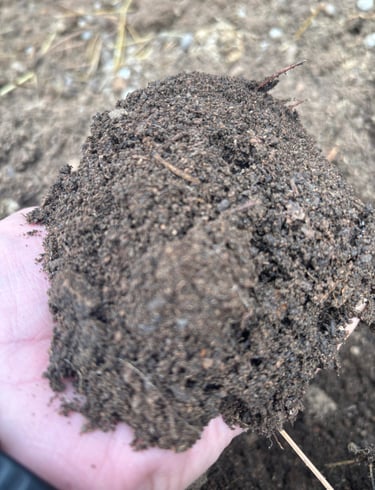
At 2 Otters Homestead, we work hard to put back everything we don't use. Our goal is to create our own soil inputs, moving toward an organic, self-sustaining lifestyle where we don't have to rely on store-bought fertilizers.
We’ve reached a point where we have less and less trash heading to the landfill each week because so much of our waste returns to the land. Here is how we turn "waste" into the engine that powers our garden.
The Daily Sort: Kitchen to Compost
We view everything through the lens of "What can this feed?"
The Chickens: Most of our kitchen scraps go straight to the chickens.
The Compost Bin: For things the chickens can't (or shouldn't) eat—like onions, potato peels, grapes, coffee grounds, and eggshells—we keep a filtered container inside the house. It eliminates odors and gets emptied into the main compost pile every week.
Paper & Ash: We burn as many paper products as possible. We then add those ashes (rich in potash) either directly to the garden beds or into the compost pile.
Managing the Manure
Manure is a key ingredient for us, but they aren't all created equal.
Quail: Each week, we add the quail manure and their pine shavings to the pile.
Chickens: Chicken manure is "hot" and can burn plants if used fresh, so it always goes into the compost pile to break down.
Rabbits: As we mentioned in our [Rabbit Manure post], this "black gold" is cold and can go right into the soil, though it’s a great addition to the compost pile too!
The Three Pillars of Good Compost
To build a healthy pile that breaks down into rich, crumbly soil, you need a balance of three things:
Greens (Nitrogen): This includes your kitchen scraps, fresh grass clippings, and animal manure.
Browns (Carbon): This includes fallen leaves, shredded cardboard, and wood shavings. While hay and straw are "browns," we use them sparingly because they take much longer to break down.
Moisture: This is the "fuel" that helps the microbes do their work.
The "Slow and Steady" Approach
Many experts recommend turning your pile constantly and monitoring the moisture levels daily. While those methods definitely work and produce compost faster, we’ve chosen a simpler path.
Because we are managing this farm at a later stage in life, we want to enjoy our time, not be consumed by endless daily tasks. We turn our compost weekly, but we don't manually add water. Instead, we let Mother Nature handle the moisture through rainfall.
It might take our compost a little longer to "cook," but the end result is the same: rich, healthy soil that was built with very little stress.
Final Thoughts
Composting is the lifeblood of a sustainable homestead. It turns your "trash" into a valuable resource and ensures you know exactly what is going into the food you eat.
Do you have a favorite composting "recipe" or a tip for reducing waste? We’d love to hear from you! If you're just starting out and have questions, don't hesitate to reach out.