
The 2 Otters Guide to No-Till Gardening: Why We Stopped Digging
Discover why we stopped tilling and how we build living soil. Learn our simple methods for raised beds and organic amendments to help you close the loop in your garden.
1/14/20262 min read
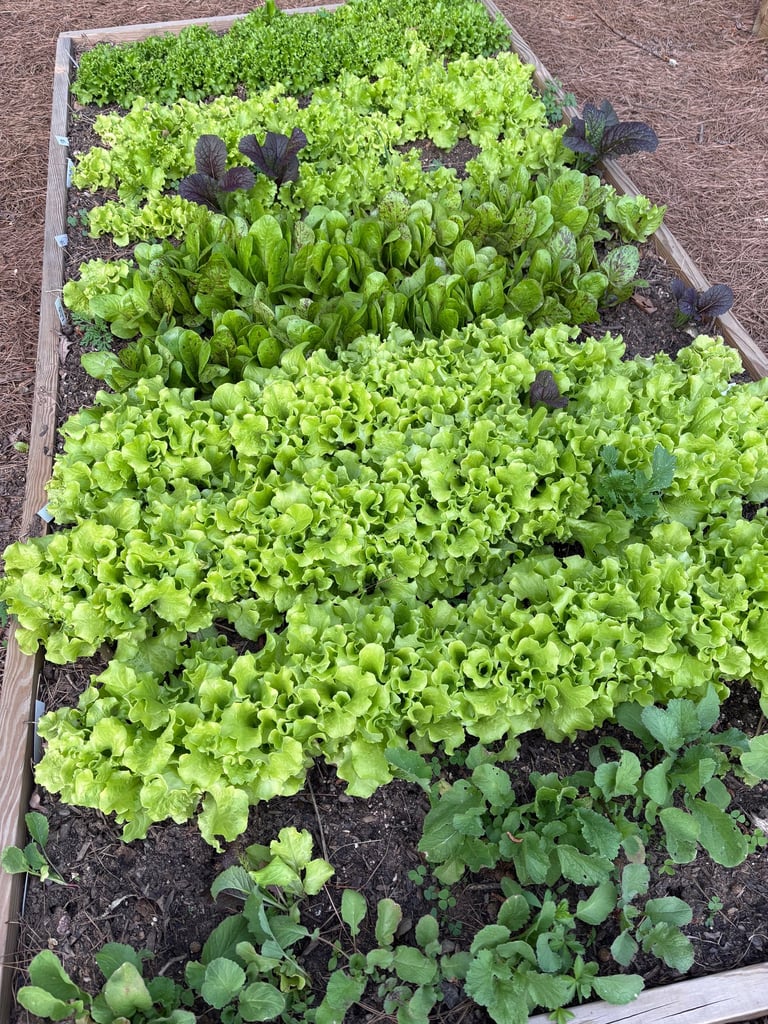
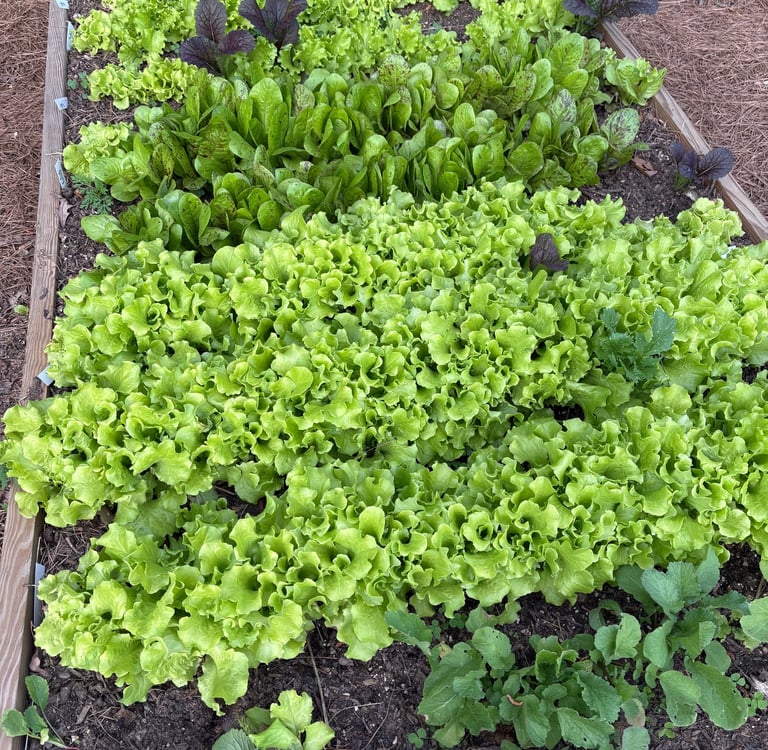
We were raised in an era where everyone had a plow and a tiller. It’s hard for us to say that philosophy was "wrong" simply because our parents and grandparents raised wonderful gardens and put a lot of food on the table. However, as we’ve established our own homestead, we have learned that there are always ways to improve—and for us, that meant putting the tiller away for good.
Our Motivation: Building Living Soil
Our main goal is to build organic soil filled with the nutrients needed to grow vegetables without artificial inputs. For us, this means working toward a "closed loop" where we only use compost built from the manure our own animals produce.
Do we always achieve this goal perfectly? No, not yet! But with each season, our need for outside inputs grows smaller and smaller. We’ve found that by moving away from traditional rows and into raised beds, we can produce much more food in a significantly smaller space.
Building the Beds
Since we are homesteading later in life, we are all about working smarter, not harder. We build all of our own beds out of 2”x6” or 2”x10” boards.
Depth: There is rarely a need for incredibly deep beds; the roots of most vegetables rarely go deeper than 6 inches.
Root Crops: For deeper crops like potatoes and sweet potatoes, we primarily grow in planting bags. We’ve had huge success with this, and it makes harvesting a breeze!
The Mix: We start with a foundation of high-quality topsoil and compost, adding perlite or vermiculite to help with drainage.
Why Tilling Often Backfires
While tilling is the "traditional" way, it can actually damage your soil over time. Heavy tilling destroys the delicate microbiology and fungal networks that plants rely on to stay healthy. It can also lead to soil compaction, which takes years to recover from.
Instead of tilling, we focus on amending.
Soil Testing: If you aren't sure what your soil needs, we highly recommend a soil test to establish a baseline. Your local extension office is a great resource for this.
Observation: We constantly monitor the health of our plants—they will usually tell you exactly what they need!
Winter Prep: At the end of the season, we build our soil by adding leaves and fresh compost. This allows the soil to "recharge" over the winter months.
The Lifeblood of the Garden
Building and maintaining our compost has become the lifeblood of our garden. We rely heavily on our rabbits to provide the nitrogen-rich "black gold" we need throughout the growing season. If you can get your hands on worm castings, those are an excellent amendment as well!
(You can read more about our composting process in our post: Nothing Wasted: Our Simple Method for Building Rich Compost)
Why No-Till Matters to Us
Most importantly, a no-till garden is the key to true sustainability. It reduces the need for expensive machinery and outside fertilizers, and it ensures the vegetables we consume are grown without synthetics or pesticides. It’s better for the Earth, and better for our health.
Are you thinking about starting a homestead later in life or switching to no-till? We’d love to hear from you! If you have questions about our garden setup or how we manage our beds, please feel free to reach out anytime.